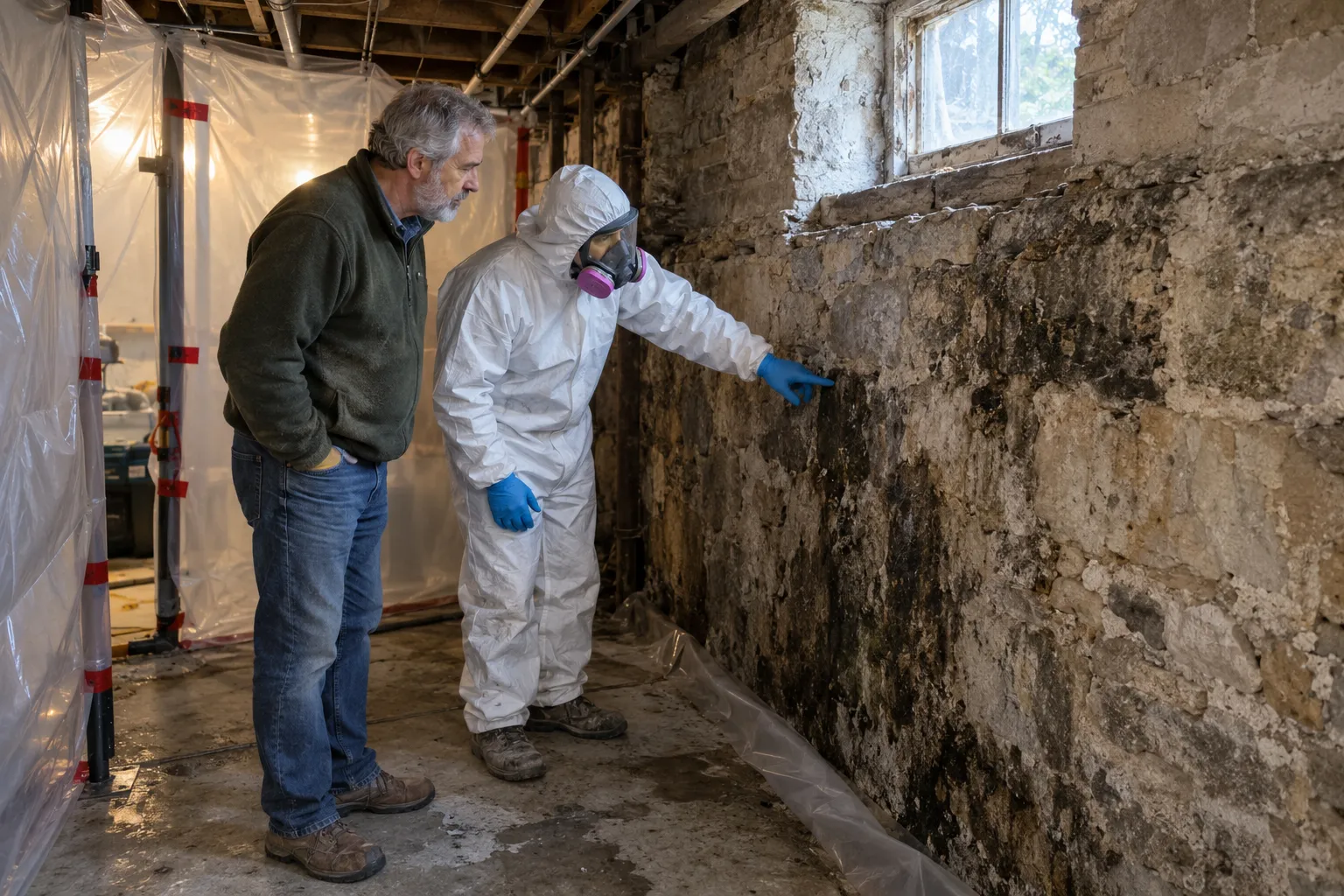
Mold Remediation
Learn what you can safely do about mold at home, and when a local provider should step in.
Not sure if that stain is a quick wipe or a real problem? Indicateroyal Mold Help helps the New York area homeowners find independent local providers for mold inspection, testing and removal.
Most mold jobs fall into one of three groups. Pick the one that sounds closest. A provider can adjust the plan once they see your home.
Below you will find mold remediation, inspection and testing, and black mold removal. Each card explains what the work involves.
Learn what you can safely do about mold at home, and when a local provider should step in.
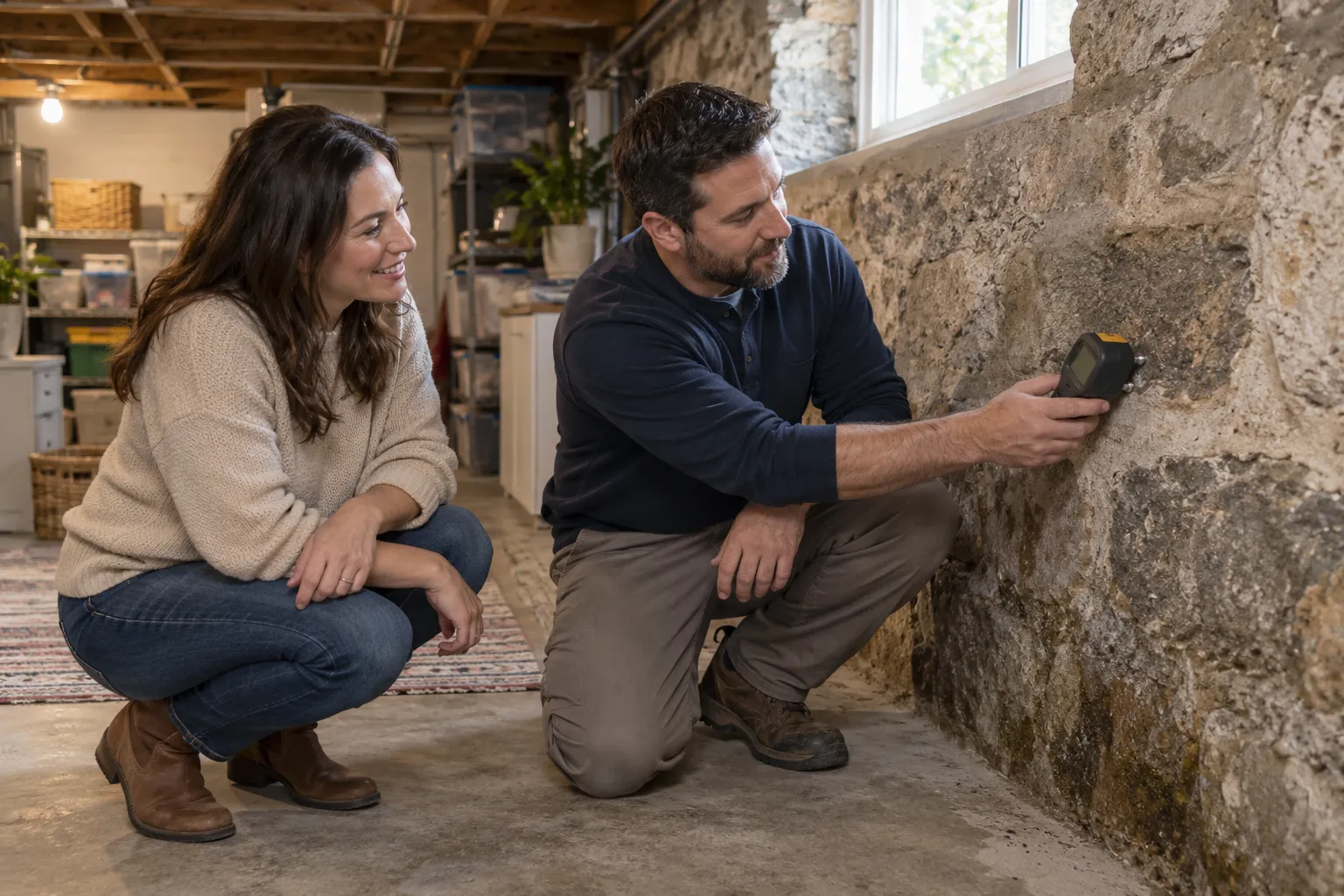
Mold inspection near me starts with a clear look at your home, and Indicateroyal Mold Help connects you with local providers.
Spotted dark, fuzzy growth at home? Here is what to do, what to leave alone, and who can help.
Tell us what you are seeing and where. Send a request, or email contact@indicateroyal.garden, and we will point you to an independent provider in the New York area.
No obligationIndicateroyal Mold Help is a referral service. Independent local providers do the inspecting, testing and removing, and you deal with them directly.
We explain which small jobs a homeowner can try and which ones need pro gear, so you do not take on more than is safe.
Stone foundations, plaster walls and past repairs can hide damp. Providers are asked to look carefully before they start work on older houses.
Request an estimate, compare your options and decide in your own time. There is no obligation.
Spotted a dark patch on a basement wall? Noticed a musty smell after the spring melt? You are not alone in New York, and you do not need to guess what to do next.
Indicateroyal Mold Help is a referral service. It connects homeowners in the New York area with independent local providers for mold remediation, mold inspection and testing, and black mold removal. The providers do the work. Indicateroyal Mold Help helps you find the right one and ask the right questions.
Some mold jobs are small. A little surface growth on a window sill or a tile grout line can often be wiped away with gloves, a mask and some patience. Other jobs are not small. Mold inside walls, under floors, or across a large area needs pro equipment, containment and a plan to stop the moisture that feeds it.
Not sure which kind of job you have? Request a callback to check provider availability and talk through what you are seeing. Many providers can respond quickly, though timing depends on the provider and the season. You can also send the request form and ask for an estimate. There is no obligation either way.
Indicateroyal Mold Help does not send out workers. It is a go-between. You tell us about your home and the problem. We point you to an independent provider in the New York area that handles that kind of job. The provider then looks at your home and gives you a written quote. You decide what happens next.
A homeowner can often help with small, dry, surface-level jobs. A pro is the safer call when any of these show up:
Providers bring HEPA vacuums, air scrubbers, moisture meters and containment barriers. Those tools keep spores from spreading to clean rooms. A sponge and a spray bottle cannot do that.
Older houses hide surprises. Past repairs, patched plaster, old pipes and layers of paint can cover damp spots for years. A good provider will look behind the obvious and tell you what they find before they start.
Indicateroyal Mold Help works with independent providers across New York and the New York area. That includes older neighborhoods with stone and block foundations, full basements, Cape Cod style homes and multi-family buildings.
Each of these home types has its own moisture habits. A stone foundation can seep after snowmelt. A finished basement can trap damp air behind paneling. An upstairs unit in a multi-family house can pick up a roof or plumbing leak that shows up as a ceiling stain.
Providers in our network handle residential mold removal, from a single damp corner to a whole level of a house. When you reach out, share the type of home, the room and what you have noticed. That helps match you with a provider who knows that kind of building.
Prefer to see numbers first? Request an estimate and compare written quotes at your own pace.
Long winters, wet springs and coastal storms keep many homes a little damp. That is normal. Mold shows up when damp stays too long. Knowing the signs early gives you more choices.
Full basements sit against cold, wet soil. Warm indoor air meets cool walls and leaves moisture behind. Add a small foundation crack or a clogged gutter, and a damp corner can turn fuzzy in a few weeks.
Snowmelt can push water toward the house. Storm-driven rain can find gaps around windows and rooflines. After a heavy season, check basement corners, attic edges and window frames for stains or odor.
You can fix small leaks, run a dehumidifier, clean gutters and wipe light surface growth on hard, non-porous surfaces. Wear gloves, goggles and a snug mask. Never mix bleach with other cleaners.
Stop if the patch is large, if it sits on soft materials, or if it returns after cleaning. Stop if you feel sick while working. Those are signs the job needs containment and proper equipment.
Plaster, old wood and stone hold moisture in ways newer materials do not. Past repairs may have sealed damp inside a wall. Go gently, and let a provider open things up with care.
A visual look is often enough to know mold is there. Testing helps when you smell it but cannot find it, or want a baseline before and after the work. Ask providers what credentials they hold for certified mold testing.
The color alone does not tell you the type. Dark mold can be several species. Treat any large dark growth with care, and ask a provider about black mold remediation if it covers more than a small spot.
In the U.S., small remediation jobs often run from a few hundred to a few thousand dollars. Larger jobs cost more. Prices vary by size, materials and access, so get a written quote.
Note where you see or smell mold. Take photos. Write down recent leaks or storms. Some policies may cover sudden damage, so check your policy. Providers can often help document damage for a claim.
Have a question about a stain, a smell or an older basement? Send a short note about what you see and where. Include your town and the type of house.
You can also email contact@indicateroyal.garden. Indicateroyal Mold Help will point you toward an independent provider in the New York area who can look at the problem and give you a written quote.
Ready to compare options? Request an estimate.
Small patches of surface mold on hard materials can often be cleaned by a careful homeowner wearing gloves and a mask. Mold on drywall, insulation or wood, large areas, and growth that keeps returning usually call for a professional with containment and proper equipment.
Indicateroyal Mold Help can refer you to an independent mold inspection provider in New York or the New York area. Send the request form, or request a callback to check provider availability. The provider visits your home, looks for moisture sources and explains what they find.
Testing may include air samples, surface samples and moisture readings. Ask each provider what training or credentials they hold. Indicateroyal Mold Help does not certify providers, so confirm details directly and get the plan in writing.
Color alone does not tell you the type. Any large mold growth deserves care. If you see widespread dark growth, avoid disturbing it and ask a provider about black mold remediation.
It depends on your policy and the cause. Some policies may cover sudden damage, such as a burst pipe, but often not long-term seepage. Check your policy, and ask providers to help document the damage for a claim.
Tell us what you are seeing and where. Send a request, or email contact@indicateroyal.garden, and we will point you to an independent provider in the New York area.
No obligation